Berean Standard Bible · public domain. More versions and languages in the Reading Plan.
2 Corinthians 12
Strength in Weakness
In this chapter, Paul continues his defense of his apostleship by highlighting his unique experiences, including a vision of heaven and his thorn in the flesh. Paul's focus, however, is not on boasting about extraordinary revelations but on the paradoxical truth that God's power is perfected in human weakness. He concludes by expressing his deep love and concern for the Corinthians, despite their misunderstandings and criticisms.
Event Description
Paul describes an extraordinary vision in which he was caught up to the "third heaven" and paradise, where he heard inexpressible things. To avoid boasting, Paul speaks of this experience in the third person, emphasizing that he will not glory in such revelations but only in his weaknesses. He acknowledges that his purpose is not to impress but to remain faithful to Christ.
Central Themes
Humility in Spiritual Experiences: Paul avoids boasting about his vision, focusing instead on God's grace.
Divine Revelation: The vision underscores the privilege of knowing God more intimately but must be accompanied by humility.
God's Wisdom: God grants extraordinary experiences not for personal glory but for the advancement of His kingdom.
Cultural & Historical Context
Jewish Mysticism: The "third heaven" was often understood as the dwelling place of God, beyond the earthly and celestial realms. Cross-References: Ezekiel 1:1-28 and Revelation 4:1-11 describe similarly awe-inspiring visions of God's presence.
"I will not boast about myself, except about my weaknesses." (2 Corinthians 12:5)
The Vision of Heaven

A radiant figure is lifted into a realm of light, surrounded by indescribable beauty. Though the figure's face is unseen, the scene glows with divine glory, symbolizing the inexpressible nature of Paul's vision.
The Thorn in the Flesh

A hand clutching a thorny branch, with blood trickling down, is met by a beam of light from heaven, representing God's grace sustaining the sufferer.
Paul's Concern for the Church
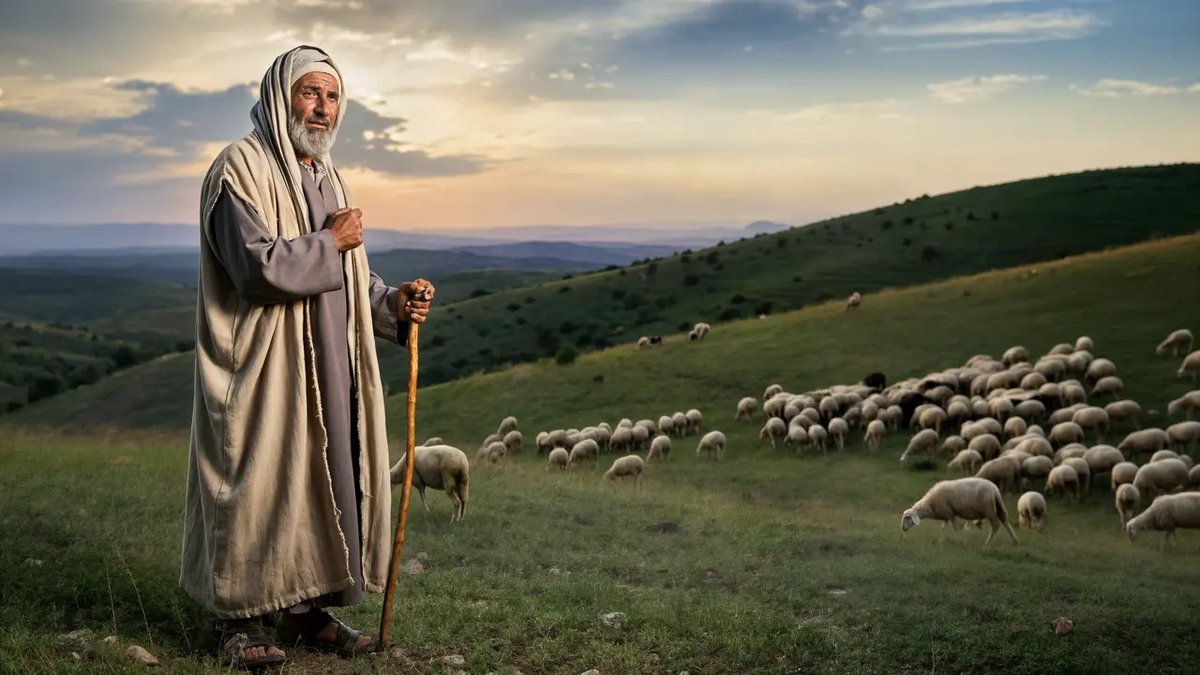
A shepherd stands on a hill, looking over a flock scattered across the valley. His face reflects both love and concern as he prepares to guide them back to safety.
Your Grace Is Enough
Beyond the veil, a glimpse of light, A taste of glory, out of sight. Yet here I stand, weak and small, Your grace, O Lord, sustains it all.
A thorn within, it cuts so deep, Yet in Your arms, I find my peace. No boasting here, but Christ in me, Your grace alone, my victory.
Your grace is enough, Your power complete, In every weakness, Your love we meet. Through every trial, through every storm, Your strength is shown, Your hope is born.
I will boast in weakness, Lord, Your power rests, Your grace outpoured. When I am weak, You make me strong, In You alone, my life belongs.
Your grace is enough, Your power complete, In every weakness, Your love we meet.
Embrace your weaknesses as opportunities for God to display His power and grace in your life.
Rely on God's sufficiency rather than striving for self-sufficiency, especially in moments of trial or inadequacy.
Support and encourage those who are suffering, reminding them that God's grace is sufficient for their needs.
Value humility in leadership, recognizing that true strength comes from dependence on God.
Pray for missionaries and church leaders who, like Paul, endure hardships for the sake of the gospel.
Reflect God's grace in your interactions with others, pointing them to the hope and strength found in Christ.
2 Corinthians 12 reveals the paradox of God's power--His strength is most evident in human weakness. Paul's vision, thorn, and sacrificial love for the church highlight the nature of true apostleship: humility, dependence on God, and selfless service. As we navigate life's trials and challenges, may we echo Paul's words, finding peace in the truth that God's grace is sufficient, and His power is perfected in our weakness. Let us boast in the Lord, knowing that His strength carries us through.