Berean Standard Bible · public domain. More versions and languages in the Reading Plan.
Acts 15
The Jerusalem Council and Unity in the Gospel
Acts 15 addresses one of the most critical challenges faced by the early Church: whether Gentile believers must follow Jewish laws, particularly circumcision, to be saved. The chapter recounts the Jerusalem Council, where the apostles and elders affirm salvation by grace through faith in Jesus Christ alone, apart from the works of the Law. It also highlights the importance of unity, the Spirit's guidance in resolving conflicts, and the role of mutual love and respect within the Church.
Event Description
Some Jewish Christians from Judea come to Antioch and teach that Gentile believers must be circumcised to be saved. This sparks a sharp dispute with Paul and Barnabas, who have been ministering to Gentiles. To resolve the issue, the Church in Antioch sends Paul, Barnabas, and others to Jerusalem to consult with the apostles and elders. Upon arrival, the delegation is warmly welcomed, and they report all that God has done among the Gentiles. However, some believers from the Pharisee party insist that Gentiles must follow the Law of Moses, including circumcision.
Central Themes
The Sufficiency of Grace: The debate over circumcision highlights the foundational question of salvation by grace alone, apart from works.
Unity in the Church: The willingness to bring the issue to Jerusalem reflects the importance of resolving disputes for the sake of unity.
Cultural Tensions: The clash between Jewish traditions and the inclusion of Gentiles underscores the challenge of breaking cultural and religious barriers within the Church.
Cultural & Historical Context
Circumcision and the Law: Circumcision was a sign of God's covenant with Abraham (Genesis 17:9-14) and central to Jewish identity. Debating the Law: This dispute mirrors Jesus' teachings in John 8:31-36, where He emphasizes freedom from the Law through faith in Him. Unity Through Leadership: The decision to consult the apostles and elders demonstrates the Church's commitment to communal discernment, as seen in Matthew 18:15-20.
"This brought Paul and Barnabas into sharp dispute and debate with them. So Paul and Barnabas were appointed, along with some other believers, to go up to Jerusalem to see the apostles and elders about this question." (Acts 15:2)
The Jerusalem Council
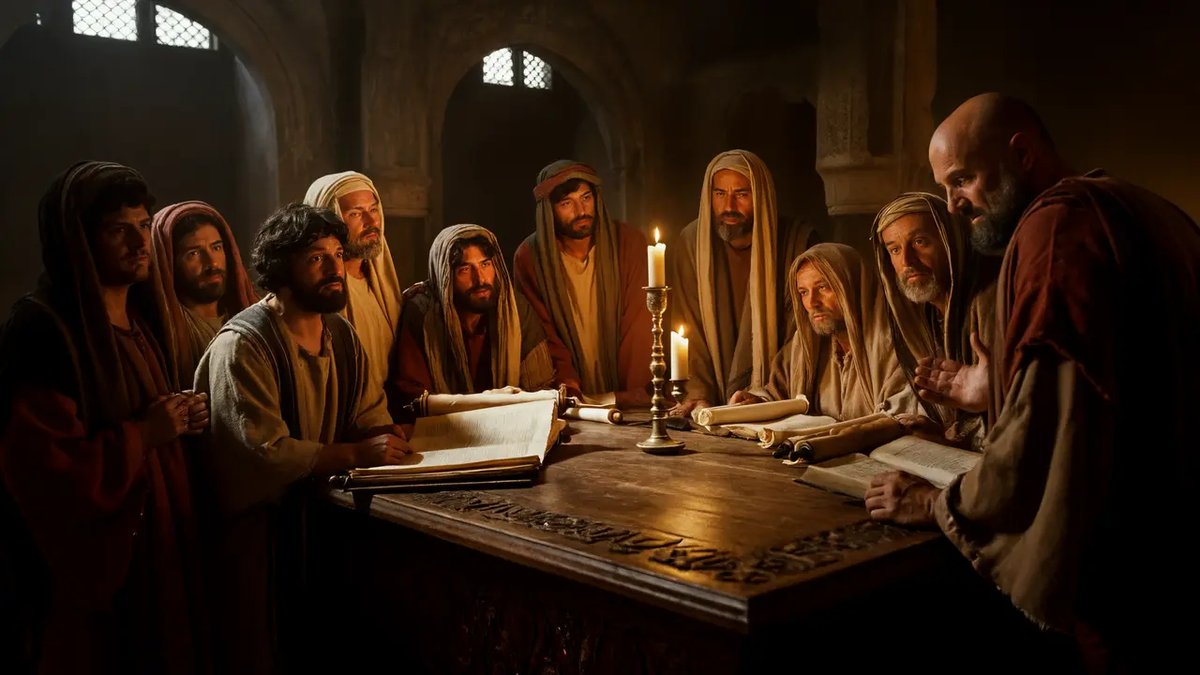
The apostles and elders sit in a large room, the air heavy with debate as voices rise and fall. Peter stands, his voice calm but firm, recounting his experience with Cornelius and declaring the sufficiency of grace. The tension in the room softens as James rises, unrolling a scroll of Amos and proclaiming God's plan to include the Gentiles.
The Joy of the Gentile Believers
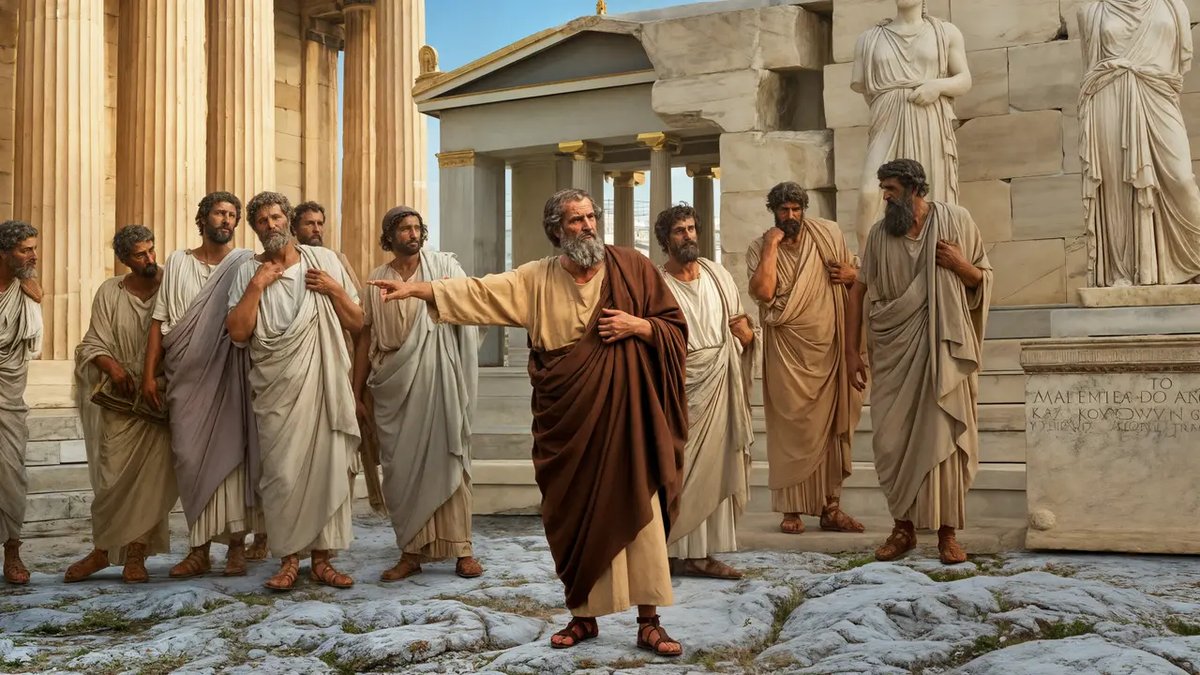
In Antioch, a crowded room of Gentile believers listens intently as Judas reads the letter from Jerusalem. As the words affirm their freedom in Christ, smiles break out across their faces, and a wave of joy and celebration fills the room. Paul and Barnabas stand nearby, their faces reflecting gratitude and hope.
Paul and Barnabas Part Ways
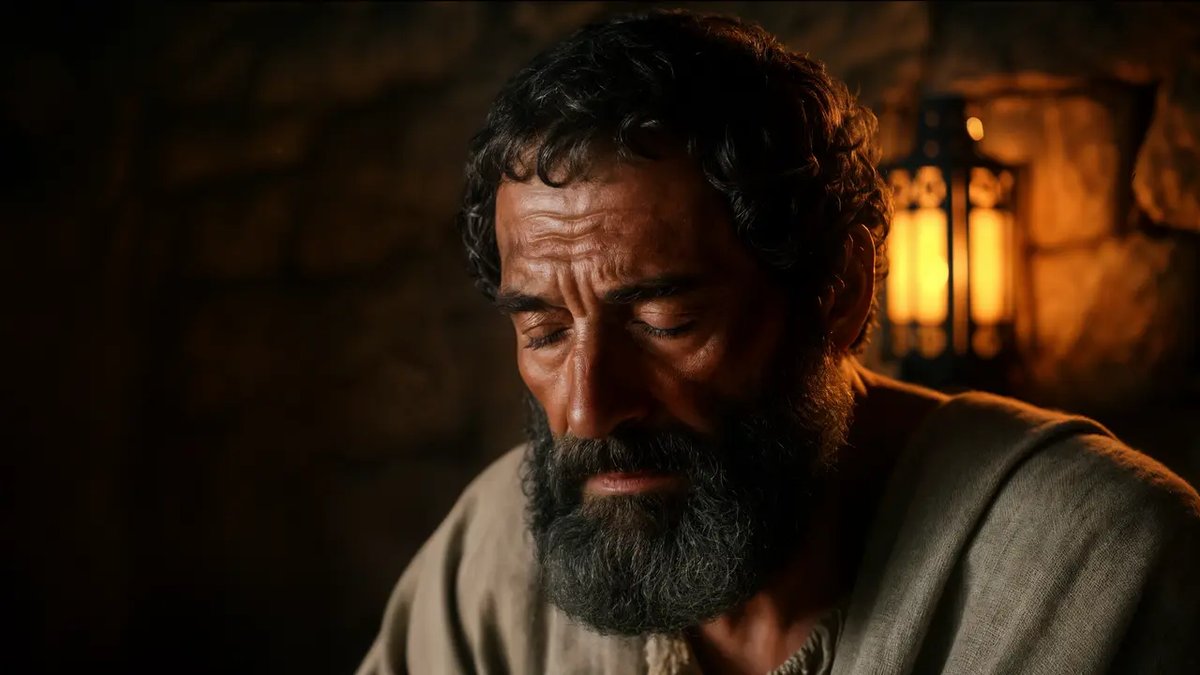
On the docks of Antioch, Paul and Barnabas exchange a final, tense glance before embracing. Barnabas boards a ship with John Mark, the waves lapping against the hull. Paul turns toward the road with Silas, the sun setting behind them, a reminder that God's mission continues, even in the midst of human conflict.
By Grace Alone
By grace alone we're saved, not by the law, Through Jesus' blood, He bore it all. No chains of works, no burdened soul, In Christ alone, we are made whole.
The letter read, the hearts rejoice, The Gentiles sing with lifted voice. No longer bound by customs old, In Jesus' name, His truth is told.
Oh, by grace alone, we stand in faith, No law can save, no works replace. For the gift of God, through His Son's throne, Salvation comes by grace alone.
Though paths may part, His work goes on, Through every trial, His light has shone. His Spirit leads, His grace will stay, Uniting hearts along the way.
Salvation comes by grace alone.
Rejoice in the truth that salvation comes by grace through faith in Jesus, not by your own works or efforts.
Seek God's guidance in resolving conflicts with others, prioritizing unity and love in your relationships.
Work to foster unity in your church, especially when cultural differences or theological disagreements arise.
Encourage and support second chances for those who have failed, helping them grow in faith and maturity.
Pray for missionaries and leaders navigating cultural and religious tensions in spreading the Gospel.
Celebrate the global Church, rejoicing in the diversity of believers who are united by grace.
Acts 15 solidifies the doctrine of salvation by grace through faith, affirming that all believers--Jew and Gentile alike--are equal recipients of God's love and mercy. The chapter demonstrates the importance of unity, wise leadership, and clear communication in addressing conflicts within the Church. As we follow the example of the early believers, may we celebrate the freedom we have in Christ, remain steadfast in encouraging one another, and boldly proclaim the Gospel to the nations.