Berean Standard Bible · public domain. More versions and languages in the Reading Plan.
Acts 17
Proclaiming the Gospel in Diverse Contexts
Acts 17 showcases Paul's adaptability as he proclaims the Gospel in three distinct cultural and spiritual contexts: Thessalonica, Berea, and Athens. This chapter highlights the universal relevance of the Gospel, the need for wisdom in addressing different audiences, and the importance of grounding faith in God's Word. Acts 17 reminds us that God is actively drawing people to Himself and equips believers to boldly proclaim the truth, regardless of opposition or cultural differences.
Event Description
Paul and Silas travel to Thessalonica, where they preach in the synagogue for three Sabbaths, explaining and proving from the Scriptures that Jesus is the Messiah who had to suffer and rise from the dead. Some Jews, a large number of God-fearing Greeks, and prominent women believe in the message. However, other Jews, filled with jealousy, incite a mob to cause an uproar in the city. They drag Jason, Paul's host, and other believers before the city officials, accusing them of proclaiming another king--Jesus--in defiance of Caesar. The officials release Jason and the others after they post bond, but the tension forces Paul and Silas to leave.
Central Themes
The Power of Scripture: Paul's reasoning from the Scriptures demonstrates the centrality of God's Word in sharing the Gospel.
Jealousy and Opposition: The resistance Paul faces reveals the spiritual and personal factors that often motivate opposition to the Gospel.
The Cost of Faith: Jason's arrest shows that following Jesus often involves personal sacrifice and risk.
Cultural & Historical Context
Messianic Prophecies: Paul's message connects Jesus' suffering and resurrection to Old Testament prophecies like Isaiah 53 and Psalm 16:10. Prominent Women: The inclusion of prominent women reflects the Gospel's impact on people across social and cultural boundaries (Galatians 3:28). Proclaiming Another King: The accusation echoes the misunderstanding of Jesus' kingship during His trial (John 18:36-37).
"This Jesus I am proclaiming to you is the Messiah," he said. (Acts 17:3)
Paul Preaching in Thessalonica
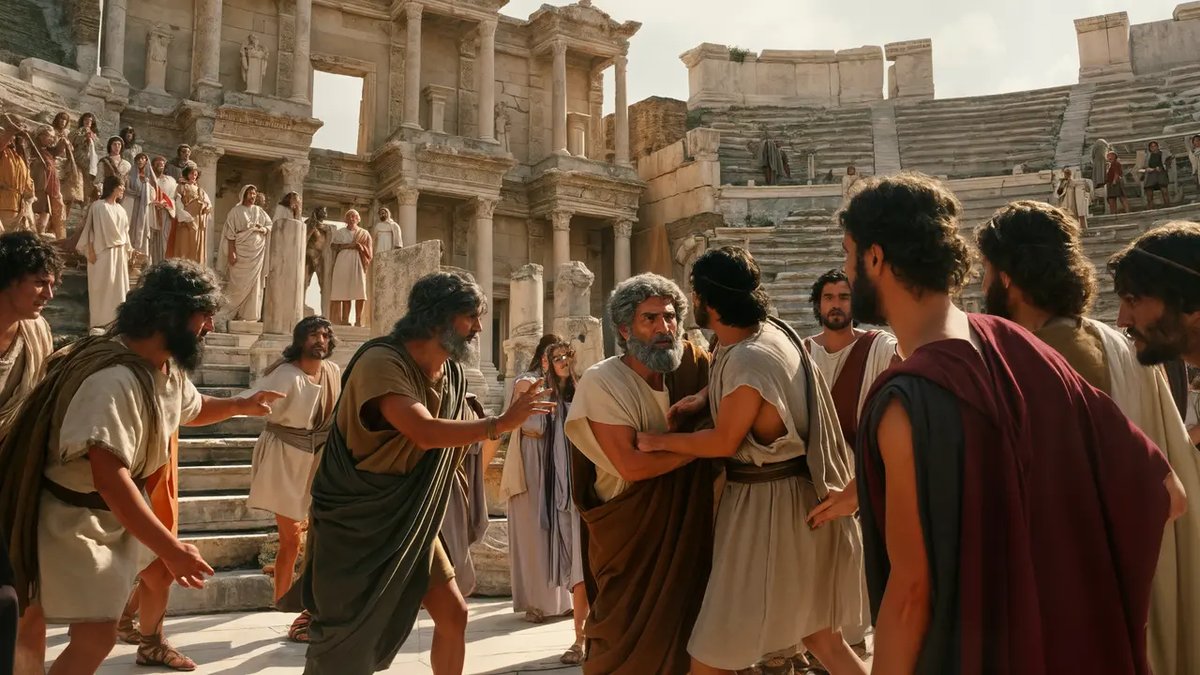
Paul stands in the synagogue, unrolling a scroll of Isaiah. His voice resonates as he points to passages foretelling the Messiah's suffering and resurrection. Some in the crowd lean forward, captivated, while others scowl and whisper among themselves, their jealousy simmering.
The Bereans Study the Scriptures
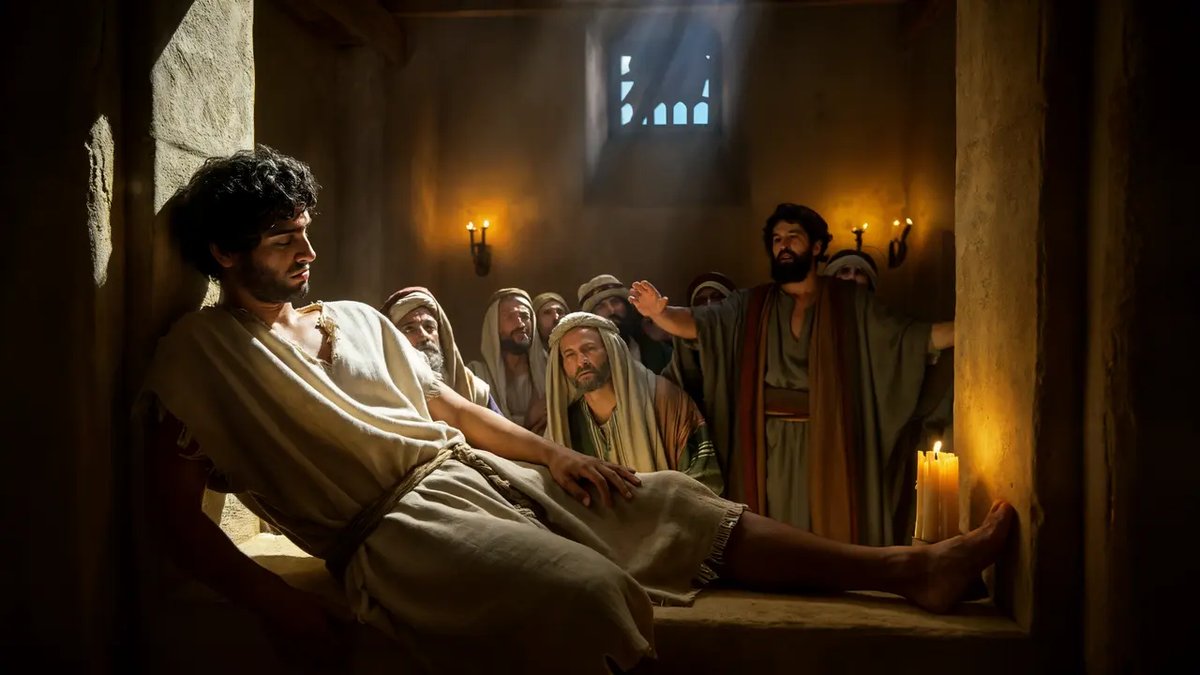
In a quiet synagogue, Bereans sit around a table, scrolls spread before them. Candles flicker as they pore over the Scriptures, their eyes filled with eagerness and wonder. Paul stands nearby, answering questions, as the room hums with a spirit of discovery.
Paul at the Areopagus
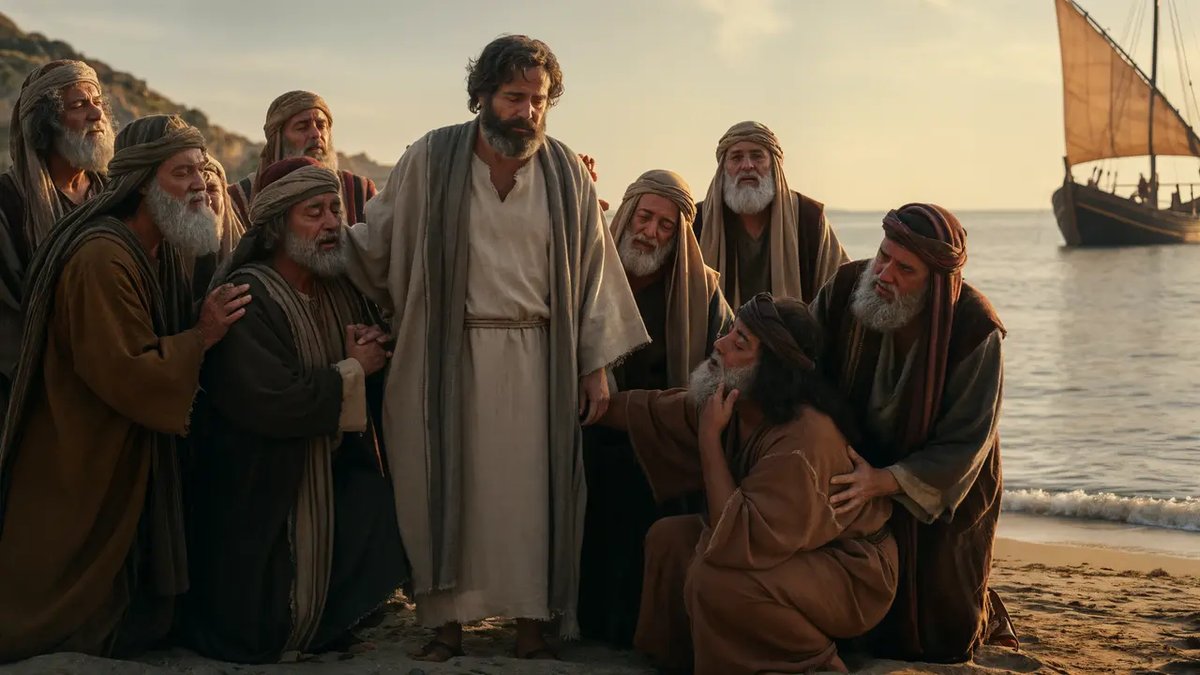
Paul stands in the shadow of the Parthenon, addressing the philosophers of Athens. Statues of Greek gods loom around him, but Paul's voice rises above the murmurs of the crowd. He gestures toward an altar inscribed "To an unknown god," declaring, "The God you worship as unknown, I proclaim to you!" Some laugh, but a few listen intently, their expressions shifting to thoughtful contemplation.
The God Unknown Is Known
From the scrolls of old, the truth was shown, A Savior risen, the seed was sown. Through jealousy, they turned away, But some found life, a brighter day.
In Berea's halls, the Word was read, They searched the truth from what was said. With eager hearts and minds so clear, The Gospel found its home right here.
In Athens' streets, the idols rose, But Paul declared what heaven knows: The living God, not made by hands, Now calls all hearts from every land.
Oh, the God unknown is known, The King of kings has claimed His throne. From distant hearts to those near home, In Christ, we're never alone.
The tomb is empty, death undone, Through Jesus Christ, the risen Son. All nations come, repentance see, In Him, the truth has set us free.
Oh, the God unknown is known, In Christ, we're never alone.
Be diligent in studying Scripture, like the Bereans, so your faith is grounded in truth.
Ask God for boldness to share the Gospel, even in the face of opposition or apathy.
Engage with people from different cultural and intellectual backgrounds, finding ways to connect the Gospel to their context.
Support and encourage those who face hostility or challenges as they proclaim Christ in your community.
Pray for missionaries working in secular or spiritually resistant cultures, asking for wisdom and boldness in their witness.
Rejoice in the universality of the Gospel, knowing that God is calling people from every nation to Himself.
Acts 17 demonstrates the power of the Gospel to reach diverse audiences, from religious Jews to intellectual philosophers. Through Paul's ministry in Thessalonica, Berea, and Athens, we see the importance of Scripture, cultural engagement, and boldness in sharing the message of Jesus. As believers, we are called to proclaim the Gospel with confidence, meet people where they are, and trust in God's power to transform lives. Let us follow Paul's example, boldly declaring that the God who was once unknown is now made known through Christ.